Understanding the Mind of the Executive - ESTJ
Margo Plater
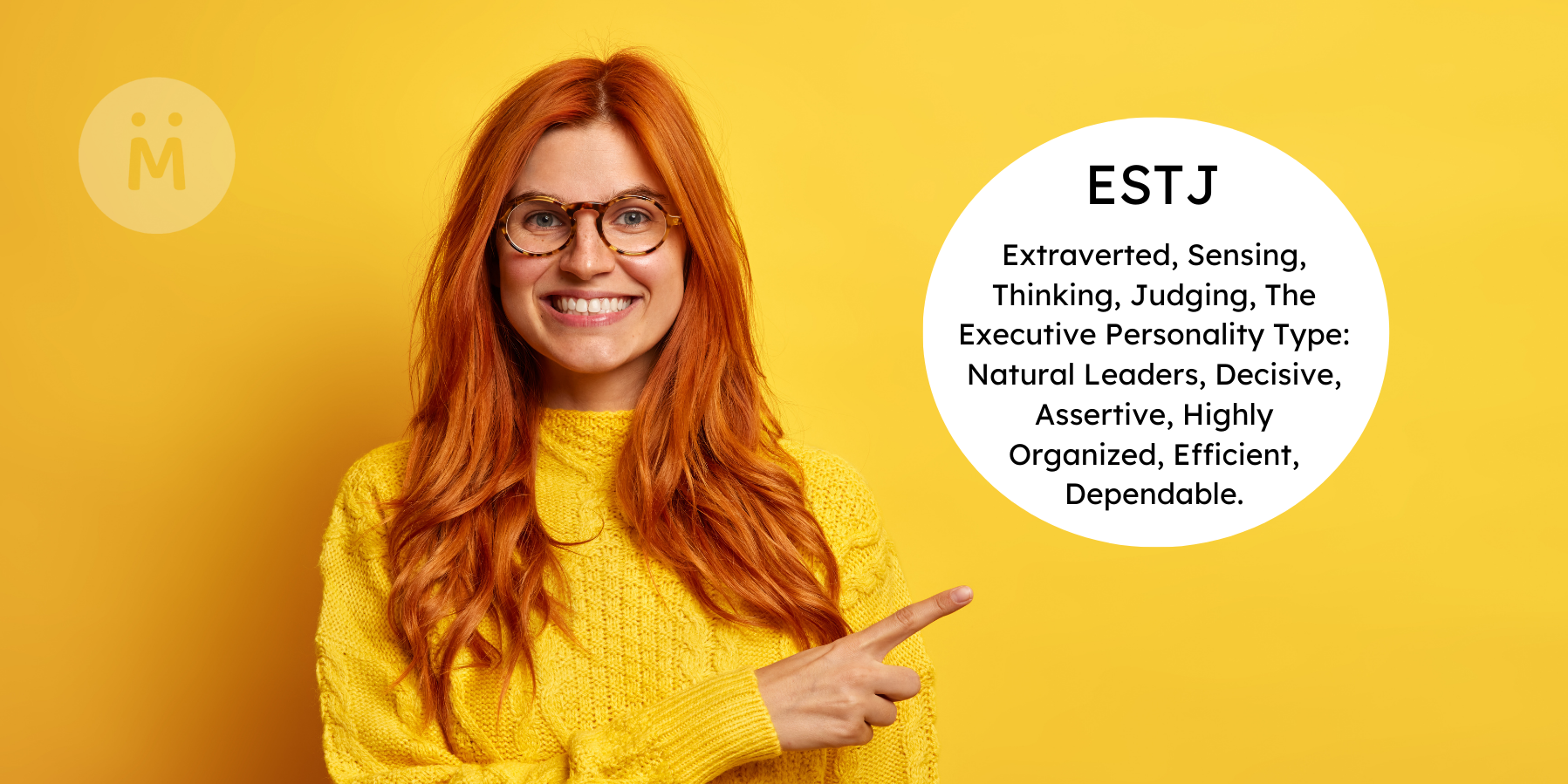
In today's fast-paced world, understanding the intricacies of different personality types can be instrumental in fostering effective communication and collaboration. One popular tool for delving into the depths of personality is the 16 Personalities test. This blog post aims to explore one specific personality type: the ESTJ, commonly known as the "Executive." By gaining insight into the mindset of the Executive archetype, we can enhance our understanding of this personality type and leverage it to improve workplace dynamics.
Exploring the 16 Personalities Test
What is the 16 Personalities Test?
The 16 Personalities test is a widely-used assessment tool based on the Myers-Briggs Type Indicator (MBTI). It categorizes individuals into one of 16 distinct personality types, each characterized by unique preferences and tendencies.
Understanding the Four Dichotomies
The test assesses personality across four dichotomies: extraversion (E) vs. introversion (I), sensing (S) vs. intuition (N), thinking (T) vs. feeling (F), and judging (J) vs. perceiving (P). These dichotomies combine to form the 16 different personality types.
Introduction to the ESTJ Personality Type
What Does ESTJ Stand For?
ESTJ stands for Extraverted, Sensing, Thinking, and Judging. Individuals with this personality type are often described as practical, logical, and decisive.
Purpose of the Blog Post: Understanding the "Executive" Archetype
Importance of Understanding Different Personality Types
Effective communication and collaboration are essential for success. By understanding the nuances of personality types like the Executive, you can tailor your interactions and communication strategies to better connect with colleagues.
Leveraging the Strengths of the Executive
As an Executive, you bring valuable qualities to the table, including leadership skills, logical thinking, and a results-oriented mindset. By recognizing and leveraging these strengths, teams can enhance productivity and achieve their goals more efficiently.
Understanding the ESTJ Personality Type: Insights into Executives
Decoding the ESTJ Acronym
The ESTJ personality type, representing individuals who are Extroverted, Sensing, Thinking, and Judging, encapsulates a distinctive set of traits and behaviors. Understanding the core components of this acronym is essential in unraveling the complexities of the Executive personality type.
Extroverted (E) Nature
As an Executive, you are characterized by your outgoing and sociable demeanor. You thrive in social settings, drawing energy from interactions with others. This extroverted inclination enables you to excel in leadership roles, where effective communication and collaboration are paramount.
Sensing (S) Perspective
The Sensing trait underscores your practical and pragmatic approach to life. Grounded in reality, you rely on tangible information gathered through your senses. This sensory awareness enables you to navigate the present moment with clarity and precision.
Thinking (T) Orientation
You prioritize logical reasoning and objective analysis in your decision-making process. Your rational mindset drives you to seek efficiency and effectiveness in all endeavors. This cognitive inclination equips you with the ability to make sound judgments based on factual evidence.
Judging (J) Disposition
With a preference for structure and organization, you exhibit a decisive and methodical approach to life. You value orderliness and thrive in environments where rules and routines are clearly defined. Your penchant for planning ensures that tasks are executed with precision and punctuality.
Characteristics of Executives
You possess a diverse array of characteristics that contribute to your success in various domains:
Leadership
As a natural leader, you excel in guiding and motivating others towards common goals. Your assertiveness and decisiveness inspire confidence among team members, fostering a culture of accountability and achievement.
Practicality
Grounded in practicality, you approach challenges with a solution-oriented mindset. You are adept at identifying pragmatic solutions to complex problems, drawing upon your keen sense of observation and attention to detail.
Dependability
Reliability is a hallmark of your personality. Whether in professional or personal settings, you can be counted on to fulfill your commitments and responsibilities with unwavering consistency.
Efficiency
You thrive in environments that demand efficiency and productivity. Your proactive nature and systematic approach enable you to streamline processes and optimize resources, resulting in optimal outcomes.
Integrity
Integrity is non-negotiable for you, as you uphold ethical standards in all your interactions. Your adherence to principles of honesty and transparency earns you trust and respect from peers and colleagues alike.
Common Misconceptions About Executives
Despite your many strengths, you are often subject to misconceptions that fail to capture the depth and complexity of your personality:
Rigidity
While you value structure and order, you are not rigid or inflexible. You are capable of adapting to changing circumstances and are open to considering alternative perspectives when warranted.
Lack of Empathy
Contrary to popular belief, you possess empathy and compassion for others. While you may prioritize logic over emotion, you are capable of understanding and responding to the needs of those around you with sensitivity and empathy.
Authoritarianism
While you are comfortable assuming leadership roles, you do not necessarily exhibit authoritarian tendencies. You value collaboration and teamwork, recognizing the importance of fostering a supportive and inclusive environment.
Understanding the Executive Mindset
Analytical Thinking: Unraveling Your Information Processing
You possess a unique ability to dissect and analyze complex information swiftly and efficiently. Your analytical prowess enables you to identify patterns, trends, and potential risks within data, allowing for informed decision-making. With a keen eye for detail, you delve deep into the nuances of information, utilizing critical thinking to extract valuable insights. Your analytical approach forms the cornerstone of your strategic decision-making process, ensuring that every action is grounded in sound reasoning and empirical evidence.
Strategic Planning: Your Blueprint for Problem-Solving
Strategic planning lies at the heart of your problem-solving methodology. You employ a systematic approach to anticipate challenges, set objectives, and devise comprehensive strategies to achieve desired outcomes. Through meticulous planning and foresight, you navigate through uncertainties and complexities with confidence and precision. Your strategic acumen enables you to align organizational resources effectively, optimize operational processes, and capitalize on emerging opportunities. By envisioning the future landscape and charting a clear path forward, you steer your organization toward sustainable growth and success.
Visionary Leadership: Unveiling Your Long-Term Perspective
Visionary leadership defines the essence of your long-term perspective. You possess the foresight to envision future possibilities and inspire others to share your vision. You articulate a compelling narrative that ignites passion and commitment, rallying stakeholders behind a common cause. Through your visionary guidance, you foster innovation, drive change, and shape the direction of your organizations. Your unwavering commitment to long-term goals empowers you to weather challenges, adapt to evolving market dynamics, and seize opportunities for innovation and growth.
Understanding the executive mindset is paramount for unlocking the secrets to organizational success. By delving into your analytical thinking, strategic planning, and visionary leadership, we gain valuable insights into the inner workings of executive decision-making. Embracing these principles empowers us to emulate the success of exemplary leaders and chart a course toward excellence in our own endeavors.
Strengths and Weaknesses
Strengths of Executives (ESTJ)
You, as Executives, are characterized by practicality, a strong sense of duty, and clear communication skills. You thrive in environments where structure and organization are valued. Here are some key strengths associated with your personality type:
1. Leadership Skills
You naturally gravitate towards leadership roles due to your authoritative nature and ability to take charge. You excel in guiding teams toward common goals, setting clear expectations, and ensuring tasks are completed efficiently.
2. Reliability and Dependability
One of your hallmark traits is your reliability. You are known for your commitment to your obligations and your ability to follow through on your promises. Employers and colleagues alike value your dependability in both personal and professional settings.
3. Practical Approach
You are pragmatic individuals who prefer to focus on tangible solutions rather than abstract ideas. You thrive in environments where you can apply your practical knowledge and problem-solving skills to real-world challenges.
4. Strong Work Ethic
You are a diligent worker who is willing to put in the time and effort necessary to achieve your goals. You value hard work and discipline, often leading by example and inspiring those around you to strive for excellence.
5. Effective Communication
Clear and direct communication is a strength of your personality type. You have a knack for articulating your thoughts and ideas in a concise manner, which makes you an effective communicator in both professional and personal interactions.
Weaknesses of Executives (ESTJ)
While you possess many admirable qualities, you are not without your weaknesses. Understanding these weaknesses can help you navigate potential challenges and strive for personal growth:
1. Stubbornness
You can be stubborn and resistant to change, often preferring to stick to familiar routines and traditions. This inflexibility can sometimes hinder your ability to adapt to new situations or consider alternative perspectives.
2. Impatience
You have a tendency to become impatient when things do not progress as quickly as you would like. This impatience can lead to frustration and tension, particularly in team environments where collaboration and compromise are necessary.
3. Tendency Towards Authoritarianism
Due to your natural leadership abilities, you may sometimes exhibit authoritarian tendencies, expecting others to conform to your way of thinking or working. This can create friction in relationships and undermine teamwork.
4. Difficulty Delegating
While you are skilled at taking charge and overseeing projects, you may struggle to delegate tasks effectively. This reluctance to relinquish control can result in feelings of overwhelm and burnout as you try to shoulder too much responsibility yourselves.
5. Insensitivity to Emotions
You prioritize logic and practicality over emotional considerations, which can sometimes lead to insensitivity towards the feelings of others. You may unintentionally overlook the emotional needs of those around you, focusing instead on finding solutions to problems.
While you possess a wide range of strengths that make you valuable contributors in various contexts, it is important to acknowledge and address your weaknesses to foster personal and professional development. By leveraging your strengths and actively working to overcome your weaknesses, you can continue to grow and thrive in both your personal and professional lives.
Understanding Your ESTJ Personality in Relationships
Romantic Relationships: How You Navigate Dating and Commitment
In romantic relationships, you approach them with a blend of pragmatism and commitment. You value stability, reliability, and tradition, seeking partners who share your practical outlook on life. When it comes to dating, you are direct and decisive, preferring clear communication and tangible actions over ambiguity. You often prioritize long-term compatibility over fleeting romance, striving to build enduring partnerships based on mutual respect and shared goals.
Your Direct Communication and Clarity
You value honesty and straightforwardness in your romantic interactions. You are adept at articulating your expectations and preferences, fostering open dialogue with your partners. This direct communication style helps prevent misunderstandings and promotes transparency, laying a solid foundation for trust and intimacy.
Your Commitment and Loyalty
Once committed, you are a fiercely loyal partner who prioritizes the well-being of your relationship. You approach commitment with a sense of responsibility, dedicating yourself wholeheartedly to nurturing and sustaining the bond you share with your significant other. Your steadfast nature instills a sense of security and reliability in the relationship, fostering trust and emotional stability.
Your Traditional Values and Gestures
You often adhere to traditional relationship values and rituals, such as celebrating anniversaries, exchanging thoughtful gifts, and participating in shared activities that strengthen your connection. These gestures serve as expressions of love and appreciation, reinforcing the emotional bond between partners and creating cherished memories that endure over time.
Friendships: Your Preference for Deep, Meaningful Connections
In the realm of friendships, you value quality over quantity, prioritizing deep and meaningful connections with a select circle of individuals. You seek friends who share your values, interests, and ambitions, forming bonds based on mutual respect, loyalty, and reliability.
Your Loyalty and Reliability
You are a steadfast friend who can be relied upon in times of need. You offer unwavering support and practical advice, demonstrating your loyalty through actions rather than words. Your dependable nature fosters a sense of security and trust within your social circles, creating enduring friendships built on a solid foundation of mutual respect and reciprocity.
Your Shared Values and Interests
You gravitate towards friends who share your values, interests, and goals, seeking companionship with like-minded individuals who align with your worldview. Whether engaging in intellectual discussions, pursuing shared hobbies, or collaborating on projects, you thrive in the company of friends who stimulate your intellect and inspire your growth.
Your Meaningful Connections and Emotional Support
In your friendships, you prioritize authenticity and emotional connection, fostering deep bonds characterized by genuine understanding and empathy. You offer a listening ear and a shoulder to lean on, providing unwavering support during both triumphs and challenges. Through meaningful conversations and shared experiences, you cultivate lasting friendships that enrich your life and contribute to your overall well-being.
Professional Relationships: Your Leadership Style and Collaboration
In the professional sphere, you exhibit strong leadership qualities and excel in collaborative environments. Your assertive demeanor, organizational skills, and commitment to excellence make you an effective leader who inspires confidence and drives results.
Your Assertive Leadership Style
You are a natural leader who leads by example and commands respect through your confidence and competence. You are a decisive decision-maker who prioritizes efficiency and productivity, setting clear goals and expectations for your team members. Your assertive leadership style fosters a sense of purpose and direction, motivating others to perform at their best and achieve collective success.
Your Organizational Skills and Efficiency
You thrive in structured environments where you can utilize your organizational skills and attention to detail to streamline processes and optimize workflows. You excel at delegating tasks, setting priorities, and managing resources effectively, ensuring that projects are completed efficiently and on schedule. Your commitment to excellence drives you to continuously seek improvement and innovation, driving growth and success within your organization.
Your Collaboration and Teamwork
While you are a natural leader, you also recognize the importance of collaboration and teamwork in achieving common goals. You foster a collaborative work culture where ideas are openly shared, and diverse perspectives are valued. You leverage the strengths of your team members, promoting synergy and collective problem-solving to overcome challenges and drive innovation. By fostering a supportive and inclusive work environment, you empower your colleagues to thrive and succeed, contributing to the overall success of the organization.
Exploring Career Paths for ESTJ Personalities
In this section, we delve into the ideal career environments, common professions, and strategies for success tailored specifically for individuals with the ESTJ (Extraverted, Sensing, Thinking, Judging) personality type. By understanding the unique traits and preferences of Executives, we can identify career paths that align with their strengths and values, fostering professional fulfillment and success.
Ideal Career Environments for You
ESTJ individuals thrive in structured and organized environments where they can leverage their practicality, efficiency, and leadership skills. Ideal career environments for you provide clear expectations, opportunities for growth, and a sense of purpose. Here are some settings where you are likely to excel:
Corporate Settings
In corporate settings, you thrive in roles that require strong leadership, strategic planning, and efficient management of resources. Positions such as project manager, operations director, or corporate executive allow you to utilize your organizational skills and drive for results to achieve business objectives and drive growth.
Government and Military
Government and military careers appeal to your sense of duty, discipline, and adherence to rules and regulations. Roles in law enforcement, public administration, or military leadership capitalize on your ability to maintain order, uphold standards, and make decisions under pressure.
Business Ownership
As a natural leader and entrepreneur, you may excel in owning and managing your own business. Whether starting a small enterprise or leading a franchise, entrepreneurship allows you to exercise autonomy, initiative, and innovation, creating opportunities for growth and success on your terms.
Common Professions That Attract You
ESTJ individuals are drawn to professions that offer stability, structure, and opportunities for advancement. Common professions that attract you align with your practicality, organizational skills, and desire for tangible results. Here are some career paths that may resonate with you:
Management and Administration
Roles in management and administration appeal to your leadership abilities and desire for structure and efficiency. Whether overseeing teams, projects, or operations, positions such as manager, administrator, or director allow you to apply your strategic thinking and decision-making skills to achieve organizational goals.
Law and Law Enforcement
The fields of law and law enforcement attract individuals with a strong sense of justice, duty, and adherence to rules. Careers as lawyers, judges, police officers, or detectives enable you to uphold legal standards, maintain order, and ensure the safety and well-being of others through your commitment to justice and fairness.
Finance and Accounting
Professions in finance and accounting capitalize on your attention to detail, analytical skills, and ability to manage finances effectively. Whether working as a financial analyst, accountant, or auditor, you can leverage your numerical aptitude and precision to analyze data, make informed decisions, and drive financial success for individuals or organizations.
Strategies for Success in the Workplace
To excel in the workplace as an ESTJ, it is essential to leverage your strengths, navigate challenges effectively, and continuously strive for improvement. Here are some strategies for success tailored to your unique personality:
Set Clear Goals and Priorities
Establish clear goals and priorities to guide your actions and focus your efforts on tasks that align with your objectives. By setting measurable targets and breaking them down into manageable steps, you can stay organized, motivated, and on track to achieve success.
Communicate Effectively
Utilize your strong communication skills to articulate your ideas, expectations, and concerns clearly and confidently. Foster open dialogue with colleagues, superiors, and team members, and actively listen to their perspectives to facilitate collaboration and mutual understanding.
Embrace Challenges and Adaptability
Embrace challenges as opportunities for growth and learning, and approach them with a positive attitude and a willingness to adapt. Remain flexible and resilient in the face of change, and seek innovative solutions to overcome obstacles and drive progress in your professional endeavors.
Exploring career paths for ESTJ personalities involves identifying environments and professions that align with your strengths, values, and aspirations. By leveraging your practicality, leadership skills, and commitment to excellence, you can pursue fulfilling and successful careers that capitalize on your unique abilities and contribute to your overall satisfaction and growth.
Strategies for Enhancing Your Interpersonal Skills and Emotional Intelligence
In today's fast-paced world, personal growth and development play pivotal roles in your success and fulfillment. Embracing emotional intelligence and refining your interpersonal skills are crucial components of this journey. In this section, we delve into effective strategies for cultivating emotional intelligence, balancing perfectionism with pragmatism, fostering flexibility and adaptability, and leveraging self-awareness for continuous self-improvement.
Embracing Emotional Intelligence
Understanding Emotional Intelligence
Emotional intelligence (EI) encompasses your ability to recognize, understand, and manage both your own emotions and those of others. It involves empathy, self-awareness, social skills, self-regulation, and motivation. By honing these skills, you can navigate complex social interactions with finesse and build stronger relationships personally and professionally.
Strategies for Enhancing Your Emotional Intelligence
- Self-Awareness: Start by examining your emotions and reactions. Keep a journal to track your feelings and identify patterns. Practice mindfulness and self-reflection to gain deeper insights into your thoughts and behaviors.
- Empathy: Put yourself in others' shoes to understand their perspectives and feelings. Actively listen without judgment and show genuine interest in their experiences. Cultivate compassion and empathy by seeking common ground and validating others' emotions.
- Social Skills: Develop effective communication skills, including verbal and nonverbal cues. Practice active listening, assertiveness, and conflict resolution. Foster meaningful connections by building rapport, networking, and collaborating with others.
- Self-Regulation: Learn to manage your emotions and impulses constructively. Practice emotional regulation techniques such as deep breathing, mindfulness, and reframing negative thoughts. Set boundaries, prioritize tasks, and maintain composure in challenging situations.
- Motivation: Cultivate a growth mindset and set meaningful goals aligned with your values and aspirations. Stay resilient in the face of setbacks and celebrate progress and achievements along the way.
Balancing Perfectionism with Pragmatism
Understanding Perfectionism
Perfectionism involves setting excessively high standards for yourself and striving for flawlessness in all endeavors. While striving for excellence can be admirable, perfectionism often leads to stress, procrastination, and dissatisfaction.
Strategies for Achieving Balance
- Set Realistic Goals: Define clear, achievable goals that stretch your capabilities without setting unattainable standards. Break larger tasks into smaller, manageable steps and prioritize tasks based on importance and urgency.
- Embrace Imperfection: Recognize that perfection is unattainable and that mistakes are opportunities for learning and growth. Practice self-compassion and forgiveness, and celebrate progress rather than dwelling on perceived failures.
- Focus on Effort Over Outcome: Shift your focus from outcomes to the process and effort invested in achieving them. Measure success by the effort exerted and the lessons learned along the way, rather than solely by the end result.
- Seek Feedback and Support: Solicit feedback from trusted mentors, colleagues, or peers to gain different perspectives and insights. Surround yourself with a supportive network that encourages growth and resilience.
Cultivating Flexibility and Adaptability
Understanding Flexibility and Adaptability
Flexibility and adaptability involve your ability to adjust to changing circumstances, embrace uncertainty, and thrive in dynamic environments. These traits are essential for navigating life's challenges and seizing opportunities for growth.
Strategies for Enhancing Your Flexibility and Adaptability
- Embrace Change: Develop a positive attitude towards change and view it as an opportunity for growth and innovation. Stay open-minded, flexible, and willing to adapt to new situations and perspectives.
- Develop Resilience: Build resilience by cultivating coping mechanisms and stress management techniques. Practice optimism, self-efficacy, and problem-solving skills to bounce back from setbacks and adversity.
- Stay Curious and Continuously Learn: Foster a lifelong learning mindset by seeking out new experiences, knowledge, and skills. Stay curious, explore different perspectives, and embrace diversity in thought and experience.
- Practice Adaptability: Develop the ability to pivot and adjust your strategies in response to feedback, challenges, and changing circumstances. Stay agile, proactive, and solution-oriented in your approach to problem-solving.
Leveraging Self-Awareness for Self-Improvement
Understanding Self-Awareness
Self-awareness involves introspection, self-reflection, and an understanding of your strengths, weaknesses, values, and motivations. It forms the foundation for personal growth and development, empowering you to make informed decisions and pursue meaningful goals.
Strategies for Harnessing Your Self-Awareness
- Conduct Regular Self-Assessment: Take time to reflect on your thoughts, feelings, and behaviors. Identify your strengths, weaknesses, values, and goals, and assess how they align with your aspirations and priorities.
- Seek Feedback: Solicit feedback from trusted sources to gain insights into how others perceive you. Use constructive criticism as an opportunity for growth and self-improvement, and be open to receiving both positive and negative feedback.
- Set Personal Development Goals: Establish SMART (Specific, Measurable, Achievable, Relevant, Time-bound) goals based on your self-assessment and feedback. Create an action plan with concrete steps to achieve these goals, and track your progress over time.
- Practice Self-Compassion: Be kind and compassionate towards yourself, especially in moments of self-doubt or failure. Treat yourself with the same kindness and understanding you would offer to a friend facing similar challenges.
Embracing emotional intelligence, balancing perfectionism with pragmatism, cultivating flexibility and adaptability, and leveraging self-awareness for continuous self-improvement, you can unlock your full potential and lead a more fulfilling and meaningful life.
Profiles of Famous Executives
The Executive personality type, characterized by traits such as organization, decisiveness, and leadership, has been exemplified by numerous well-known individuals across various fields. In this section, we explore profiles of famous Executives and examine how your distinctive characteristics have influenced your achievements.
Profiles of Well-Known Individuals with Executive Personality Types
1. Steve Jobs
You can draw inspiration from Steve Jobs, co-founder of Apple Inc., who epitomized the Executive personality type with his visionary leadership and relentless pursuit of excellence. Known for his uncompromising standards and innovative mindset, Jobs revolutionized the technology industry with products like the iPhone and MacBook. Your ability to inspire and motivate teams, coupled with attention to detail, can play a pivotal role in your success.
2. Sheryl Sandberg
As the Chief Operating Officer of Facebook and author of "Lean In," Sheryl Sandberg embodies the Executive traits of drive, ambition, and strategic thinking. You can learn from her example and leverage your Executive qualities to navigate complex challenges and drive growth in your own endeavors. Sandberg's resilience and determination serve as inspiration for aspiring leaders like yourself.
3. Elon Musk
Entrepreneur and CEO of Tesla and SpaceX, Elon Musk showcases the Executive personality type through his bold vision and tenacity. You can emulate Musk's innovative approach to technology and sustainability to drive transformative change in your field. Your ability to take calculated risks and execute ambitious projects demonstrates the power of Executive traits in achieving your goals.
How Your Executive Characteristics Manifest in Achievements
The characteristics associated with the Executive personality type manifest in your achievements in several key ways:
- Visionary Leadership: You possess a clear vision for the future and the ability to inspire others to rally behind your goals.
- Strategic Decision-Making: Your strategic acumen and decisive leadership enable you to steer through periods of growth and evolution.
- Results-Oriented Approach: You are driven by results and excel at setting and achieving ambitious goals.
- Effective Communication: You excel in communicating your ideas and vision, fostering alignment and collaboration among team members.
Key Takeaways
In conclusion, the Executive personality type encompasses a unique set of strengths that have been instrumental in the achievements of famous individuals across industries. As an Executive, you are a natural leader, problem-solver, and visionary who thrives in environments that demand innovation and accountability. To fellow Executives, we encourage you to embrace your strengths, such as decisiveness, organization, and strategic thinking, while also acknowledging areas for growth. By leveraging your strengths and working on your weaknesses, you can unlock your full potential and continue to make meaningful contributions to your organizations and communities.
We invite you to further explore your personality type and its implications for your personal and professional development. Engaging in self-reflection, seeking feedback, and investing in leadership development opportunities can help you cultivate your strengths and overcome challenges more effectively. In the journey of self-discovery and growth, remember that embracing your Executive traits is not about achieving perfection but rather about harnessing your unique capabilities to make a positive impact in the world.